


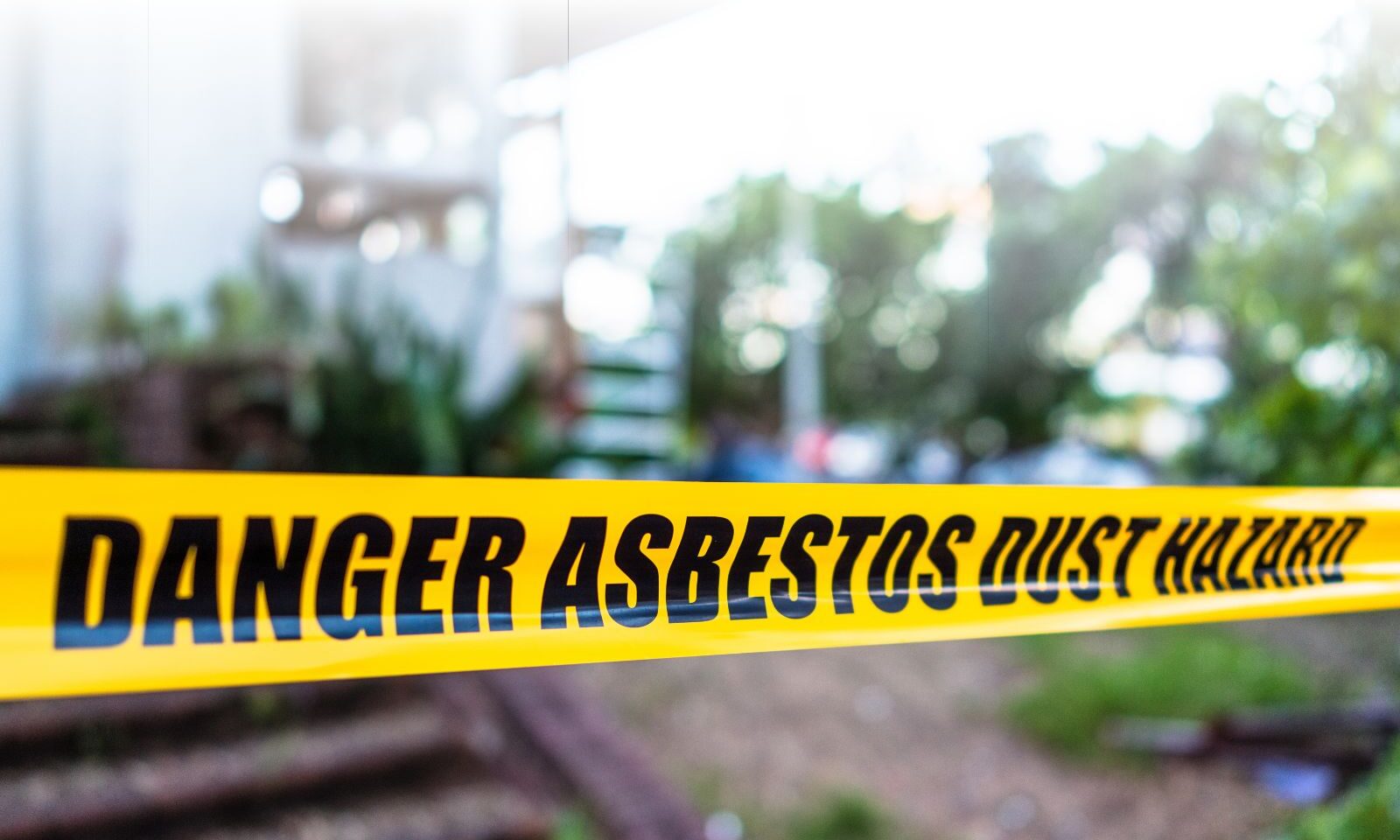
Asbestos – A thing of the past….or is it very much still in our future?
Asbestos is a naturally occurring mineral that has been mined and used in various industries worldwide, including construction, shipbuilding, and automotive. While its natural properties make it an excellent thermal and acoustic insulator, asbestos can pose significant risks to human health when inhaled.
Exposure to asbestos can cause serious health issues, such as asbestosis, lung cancer, and mesothelioma, among other respiratory diseases. As a result, the UK government has established stringent regulations to protect workers handling or working around asbestos.
As a business owner, ensuring that your premises are safe and free from asbestos-related risks should be prioritized. Here’s a comprehensive guide on how to manage asbestos safely within UK businesses and premises.
1. Conduct a Risk Assessment
The first step in managing asbestos safety within your business is to identify any risk of exposure to the mineral. Therefore, it is necessary to conduct a risk assessment to determine the presence of asbestos within your premises and its potential harm to workers and others.
The assessment should encompass the entire building, including walls, ceilings, floors, and other areas where asbestos materials could be present. The survey should be comprehensive by including everything in the building.
There are two categories of asbestos surveys: management survey and refurbishment or demolition survey. A management survey is non-intrusive and involves the sampling of materials within a building to establish their condition and the risk they may pose. In contrast, a refurbishment or demolition survey involves intrusive inspection, and the assumed presence of asbestos materials is demolished. These surveys will enable you to develop a solid asbestos management plan.
2. Create an Asbestos Management Plan
After conducting the necessary asbestos risk assessment, the next step is to come up with an effective management plan. The plan should identify asbestos materials within the building, their location, their condition, and the level of risk they pose. It should also include a schedule for regular inspections and maintenance of asbestos-containing materials.
Your asbestos management plan should keep a record of all asbestos materials in the building and detail their location, condition, and risk to staff and public.
3. Provide Training for Your Staff
As the business owner, you have a responsibility to ensure your staff is adequately trained on asbestos management and safety. It is mandatory for anyone who may come into contact with asbestos to receive asbestos awareness training.
Such training should include on-site asbestos management procedures, identification of materials that may contain asbestos, the dangers of asbestos exposure, and how to report incidents.
Providing your staff with the necessary training not only ensures their safety but also demonstrates your commitment to health and safety within the organization.
4. Implement Proper Asbestos Control Measures
- When handling asbestos, it is essential to take proper precautions to minimize exposure risks. Some of the control measures include:
- Appropriate Personal Protective Equipment (PPE): Ensure that all workers handling asbestos use the appropriate PPE, such as respirators, protective clothing, and gloves.
- Safe Work Practices: Establish specific work procedures for handling asbestos that will minimize exposure risks to workers and individuals within the premises.
- Asbestos Containment: Maintain asbestos materials in good condition and, where necessary, contain them to reduce the potential for exposure.
5. Update Your Asbestos Register
An asbestos register is a record of all asbestos-containing materials within the building. The register must be updated regularly to reflect changes in materials, location, condition, or when materials are removed.
6. Adhere to UK Legislation
Businesses that fail to comply with regulations regarding asbestos management can face heavy fines, and in some cases, criminal prosecution. Therefore, it is crucial to adhere to all UK legislation regarding asbestos management.
The Control of Asbestos Regulations 2012 (CAR 2012) is the primary law governing asbestos management in the UK and sets out obligations for duty holders regarding the identification, management, and removal of asbestos-containing materials.
7. Stay Up-to-Date with Asbestos Management Best Practices
Asbestos-related regulations and guidelines change regularly as new research emerges. Staying up-to-date with current best practices is essential in ensuring your business is adhering to the latest health and safety standards.
Regularly check the Health and Safety Executives (HSE) website for updates regarding asbestos management and ensure that the company’s procedures are up-to-date and effective.
Asbestos Management Checklist for UK Businesses
- Conduct a comprehensive asbestos risk assessment.
- Create an asbestos management plan.
- Provide appropriate asbestos awareness training for your employees.
- Implement proper asbestos control measures.
- Update your asbestos register regularly.
- Adhere to UK legislation regarding asbestos management.
- Stay up-to-date with current asbestos management best practices.
Conclusion
Managing asbestos safely within UK businesses and premises is a critical aspect of ensuring the health and safety of workers and individuals visiting the premises. Conducting a comprehensive risk assessment, creating an effective management plan, providing training and adhering to UK legislation, are crucial steps to achieving this.
It is essential to take a proactive approach to asbestos management by regularly reviewing and updating procedures in line with current best practices. By following the checklist provided, businesses can ensure they are taking the necessary steps to manage asbestos safely within their premises.


