


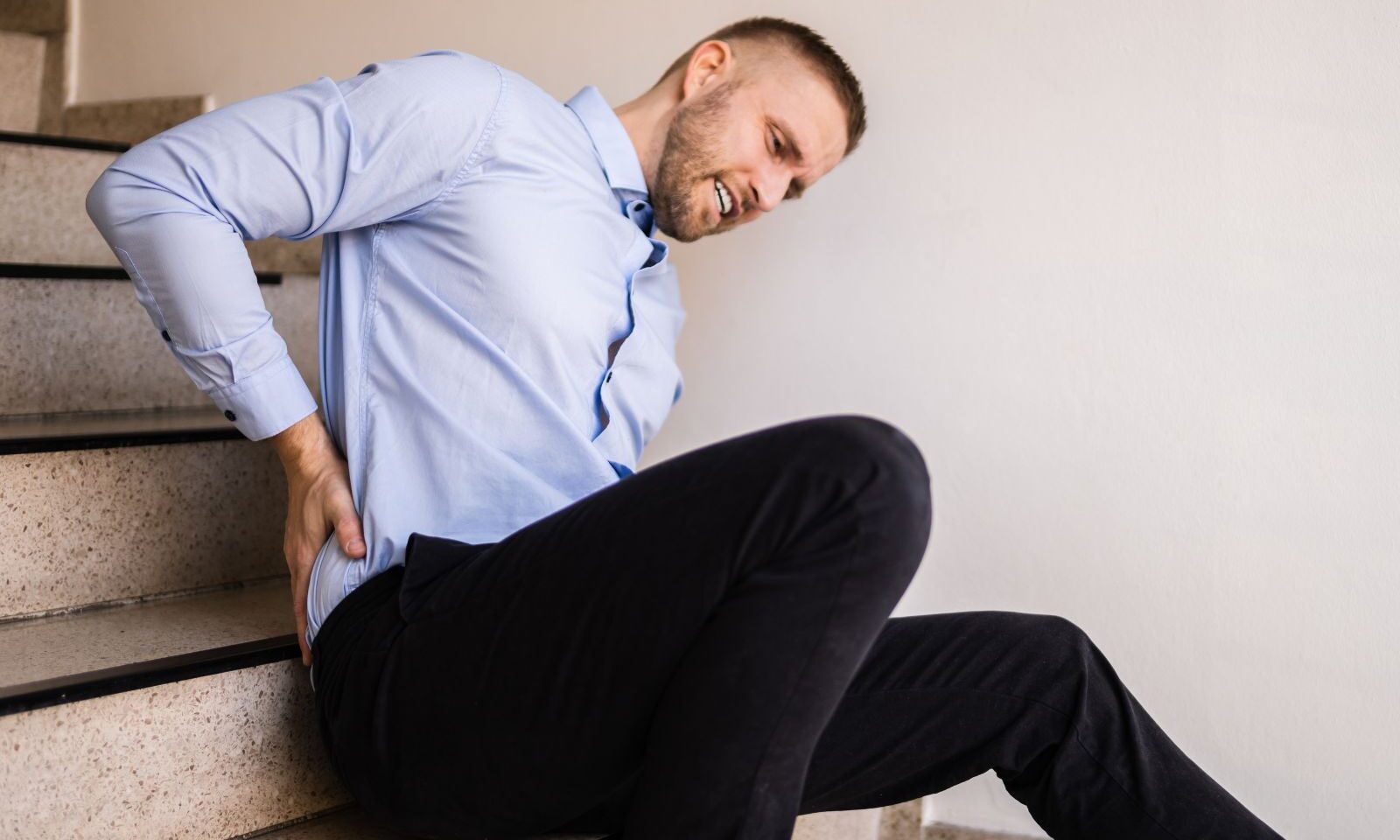
The Impact of Slips, Trips, and Falls on UK Businesses: Preventing Hazards, Ensuring Safety
Slips, trips, and falls are among the most common workplace accidents in the UK, with significant implications for both employees and businesses. These incidents can result in injuries, reduced productivity, increased costs, and reputational damage. As a responsible employer, it is crucial to understand the impact of slips, trips, and falls on businesses and take proactive measures to prevent such hazards.
In this blog post, we will explore the profound impact of slips, trips, and falls on UK businesses, supported by references and statistics from reputable articles.
- Human Cost: Slips, trips, and falls can lead to serious injuries, causing pain, suffering, and sometimes long-term disabilities for employees. According to the Health and Safety Executive (HSE), slips, trips, and falls accounted for 29% of all non-fatal workplace injuries in 2019/2020. Each incident represents a person affected physically, emotionally, and financially. It is the responsibility of businesses to create safe environments that minimize the risk of such accidents and protect the well-being of their employees.
- Financial Implications: Slips, trips, and falls can have significant financial consequences for businesses. The costs associated with these accidents include medical expenses, compensation claims, legal fees, insurance premiums, and potential fines. A study conducted by the HSE estimated that workplace accidents involving slips, trips, and falls cost UK employers approximately £512 million in 2019/2020. These expenses can strain the financial stability of businesses, impacting profitability and growth.
- Lost Productivity and Operational Disruptions: When employees experience slips, trips, and falls, it often leads to lost productivity and disruptions in daily operations. Absences due to injuries, rehabilitation, or recovery can result in decreased efficiency, delayed projects, and increased workloads for colleagues. The HSE estimates that slips, trips, and falls account for 40% of all reported major injuries, highlighting their potential impact on productivity. Businesses must recognize the importance of preventing these incidents to maintain smooth operations and optimize productivity.
- Reputational Damage: Slips, trips, and falls can harm a business’s reputation, especially if they are perceived as a result of inadequate safety measures. News of accidents can spread quickly, damaging the company’s image and eroding trust from employees, clients, and stakeholders. Businesses with a poor safety record may struggle to attract and retain top talent, win contracts, or maintain customer loyalty. Implementing effective prevention measures and demonstrating a commitment to safety is essential for preserving a positive reputation.
Conclusion: Slips, trips, and falls pose significant risks to businesses in the UK, impacting employees, finances, productivity, and reputation. By prioritizing safety and implementing preventive measures, businesses can reduce the likelihood of these incidents and mitigate their consequences. Conducting risk assessments, maintaining clean and well-maintained workspaces, providing appropriate training, and promoting a safety-conscious culture are essential steps toward preventing slips, trips, and falls. Remember, the investment in safety not only protects employees but also contributes to the success and sustainability of businesses.
References:
- Health and Safety Executive (HSE). (n.d.). “Slips, Trips, and Falls.” Retrieved from https://www.hse.gov.uk/slips/index.htm
- Health and Safety Executive (HSE). (n.d.). “Non-fatal injuries in Great Britain 2019/20.” Retrieved from https://www.hse.gov.uk/statistics/overall/hssh1920.pdf
- Health and Safety Executive (HSE). (n.d.). “Slips, Trips, and Falls Statistics 2020.” Retrieved from https://www.hse.gov.uk/stat


