


Chemical Safety – A guide to what its important in the workplace
Control of Substances Hazardous to Health (COSHH) 2002 is a regulation in the United Kingdom that is designed to protect employees from hazardous substances that they may come into contact with while at work. This blog post will provide a comprehensive guide to the Control of Substances Hazardous to Health, including legislation and best practices, as well as checklists for safety and reference to Material Safety Data Sheets (MSDS) and risk assessments.
Legislation Overview
The Control of Substances Hazardous to Health Regulations 2002 is the primary legislation that governs the use of hazardous substances in the workplace. Under this regulation, employers have a legal duty to protect the health of their employees by controlling exposure to hazardous substances. The regulation requires that employers conduct risk assessments for the use of hazardous substances, and take the necessary steps to prevent or control exposure.
Best Practices
There are several best practices that employers should follow to ensure the safety of their employees when working with hazardous substances. Some of these practices include:
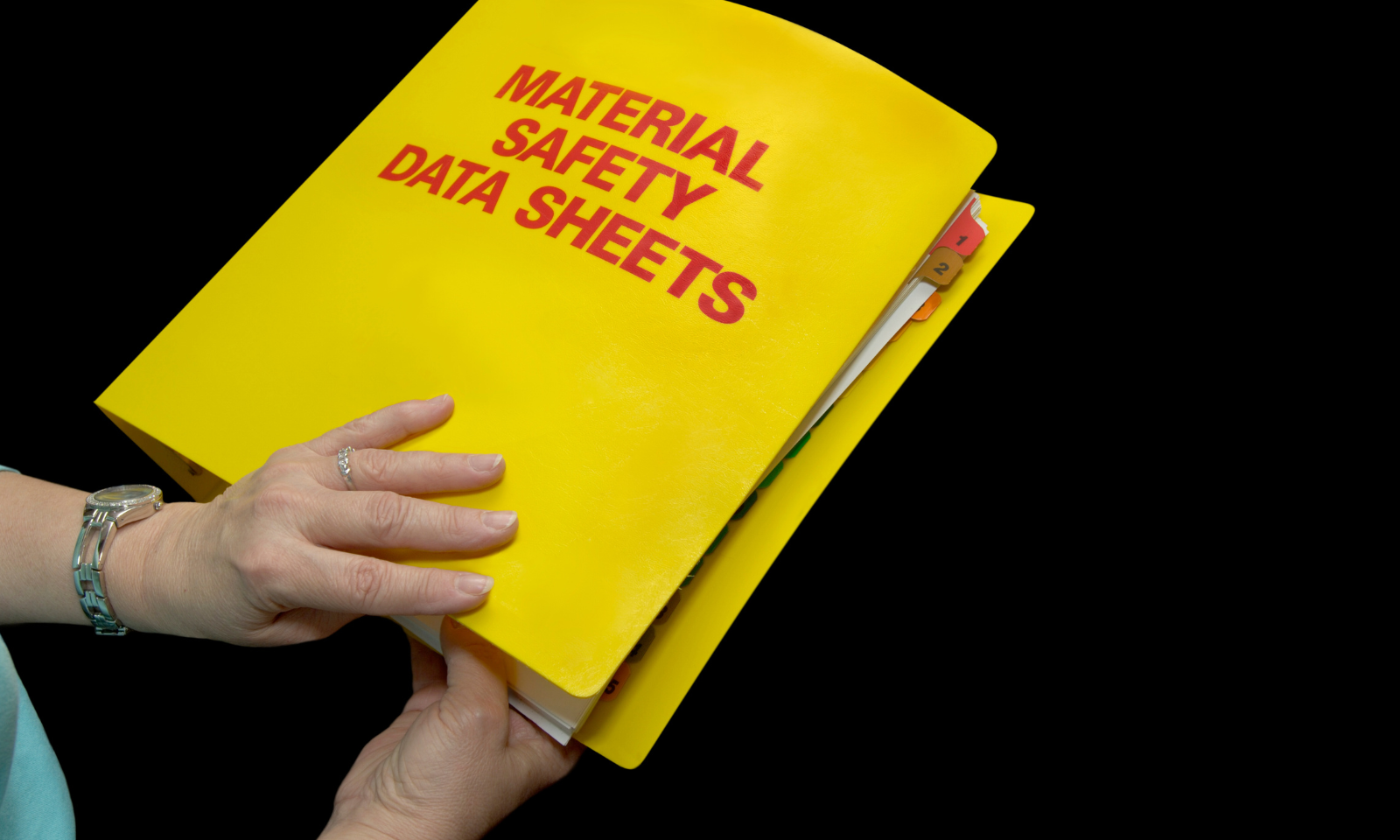
1. Identification of hazardous substances: Employers must be able to identify all the hazardous substances used in their workplace. Chemical manufacturers are required to provide a Material Safety Data Sheet (MSDS) for all hazardous substances. MSDS includes information on the hazards of the substance, its potential effects on human health, and how it can be safely handled.
2. Conducting Risk Assessment: Risk assessment is an essential component of COSHH. Employers need to apply the hierarchy of control when considering how to protect their employees from the hazards presented by hazardous substances. The hierarchy of control includes:
– Eliminating the hazard: The hazardous substance should be replaced with a non-hazardous substance.
– Substituting the hazard: Replacing a hazardous substance with a less hazardous substance.
– Engineering controls: Reducing exposure to a hazardous substance through the use of engineering controls such as ventilation systems, enclosures, and local exhaust ventilation (LEV).
– Administrative controls: Such as reducing the duration of exposure and limiting the number of people exposed at once.
– Personal protective equipment (PPE): It must only be selected after all other controls have been used. Personal protective equipment should only be used as a last resort and not relied upon as a primary means of protection.
3. Making employees aware: Employers must inform their employees about the risks associated with using hazardous substances in the workplace, the measures taken to control the exposure to such substances, and what the employees can do to avoid exposure.
Checklists for Safety
A checklist can be a useful tool in ensuring that relevant safety procedures are followed when dealing with hazardous substances. A typical safety checklist will include the following:
1. Identification of hazardous substances: Employers must be able to identify all the hazardous substances used in their workplace and make a list of them.
2. Risk assessment: Employers should carry out the risk assessment process as per the hierarchy of control, taking all necessary physical, chemical, and biological factors into account.
3. Control measures: Employers should identify and implement control measures such as ventilation systems, enclosures, and local exhaust ventilation.
4. Personal protective equipment (PPE): Employers should provide the necessary PPE for employees to protect themselves from exposure to hazardous substances.
5. Emergency procedures: Employers should provide clear guidelines and procedures for dealing with emergencies such as spills and accidentally released hazardous substances.
Reference to Material Safety Data Sheets (MSDS) and Risk Assessments
MSDS is a document that contains information on the physical and chemical properties of a hazardous substance, its potential health effects, and how it can be safely handled. Employers should have an up-to-date MSDS for each hazardous substance used in the workplace. MSDS should be easily accessible to employees.
Risk assessment is an essential component of COSHH. Employers need to apply the hierarchy of control when considering how to protect their employees from the hazards presented by hazardous substances. Risk assessment records should be kept up to date, and employees should be made aware of them.
Conclusion
COSHH is a critical regulation that aims to protect the health of employees working with hazardous substances. Employers should follow best practices for handling hazardous substances in the workplace, including conducting risk assessments, implementing control measures, providing PPE when necessary, training employees regarding exposure prevention, and keeping MSDS and risk assessment records up-to-date. Employers should also use checklists to ensure that all relevant safety procedures are followed. By adhering to these guidelines, employers can create a safe working environment for their employees and minimize the risk of hazardous substance-related accidents and illnesses.


